All Categories
Featured
More recent quotes suggest over 70 million Americans take part in freelance operate in some capability approximately one in three workers. Inside companies, AI is starting to sculpt up what utilized to be full-time jobs into task portfolios. Microsoft's Copilot research study is already mapping genuine AI use versus the U.S. Department of Labor's job taxonomy, revealing that many professions are clusters of AI-addressable jobs rather than indivisible roles.
Synthetic intelligence can do the work presently performed by nearly 12% of America's workforce, according to a recent from the Massachusetts Institute of Innovation. Believe fractional CMOs, contract data scientists, part-time product leaders, gig-based UX groups, and AI-augmented copywriters selling their time in pieces to numerous customers.
Historically, pensions were replaced by 401(k)s; the next phase replaces task titles with personal operating systems and portable professional reputations. It is with some paradox that lots of late-stage career knowledge workers (with gray hair) are discovering themselves transitioning into gray-collar work after a layoff.
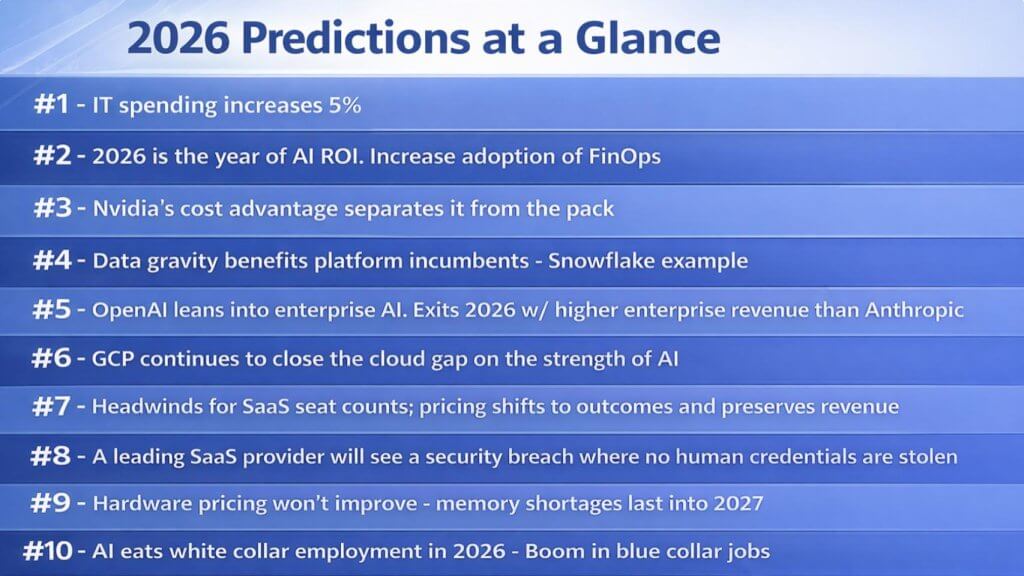
Boomers and Gen Xers who age out, Gen Zers who pull out, and even millennials who stress out are finding themselves in the gray-collar class, either by option or necessity. Press enter or click to view image completely sizeHigher ed is under pressure from 3 sides: AI in the class, fewer traditional entry-level roles, and an intensifying trainee financial obligation problem.
About 42.3 million Americans hold federal trainee loan financial obligation, with overall federal balances around $1.67 trillion and roughly $1.81 trillion when you include personal loans. At the very same time, policy around payment keeps moving.

Optimizing ROI With Cloud-First AI Strategies
Department of Education's SAVE income-driven strategy, which registered approximately 7.7 million borrowers, is now being phased out after a legal challenge, requiring those customers into less generous choices. That unpredictability just amplifies uncertainty from younger generations who already watched older siblings or moms and dads struggle under loan problems. Layer AI.
Higher ed pivots from "buy a degree" to "train to be an adult in a world where the old playbook is gone."Press go into or click to view image in complete sizeAs AI-generated everything ends up being inexpensive and abundant, the scarcest resources in numerous classifications will be human attention, effort, and presence.Research in locations like fashion style currently reveals a consistent preference for human-created work over AI-generated output when people know the difference. Newer commentary in the sector argues that in an AI-saturated market, what commands a premium is emotional relevance and original concepts that stand apart from what models can quickly copy. If AI-authored material, AI-rendered images, and AI-driven service circulations are everywhere, then a genuine individual answering the phone ends up being a status marker. Hospitality brands can lean into "100%human-hosted"as a function. Communities and new real estate communities are already try out designs that prioritize proximity and interaction, trading a bit of personal privacy for connection in a culture starving for it. I've frequently spoken about how the workers at Trader Joe's make the experience feel unique, premium, and differentiated. If you're not familiar with H-E-B, it takes pleasure in a practically fanatical following and has a virtual monopoly in the market. A lot of grocers don't even try to compete here. On the demand side, you can already see the conversation forming. Comment threads and think pieces ask whether human-made items will become luxuries scheduled for a couple of, or whether regular individuals will still take small"human just" areas in their lives.
If AI-authored material, AI-rendered images, and AI-driven service circulations are all over, then a genuine individual responding to the phone becomes a status marker. Areas and brand-new housing neighborhoods are currently exploring with styles that focus on distance and interaction, trading a bit of privacy for connection in a culture starving for it. Comment threads and believe pieces ask whether human-made products will end up being luxuries reserved for a couple of, or whether common people will still sculpt out small"human only" spaces in their lives.

Latest Posts
How AI and Cloud Integration Remains Crucial
Unlocking the Long-Term Outlook of Corporate Technology
Key Frameworks for Modernizing the Digital Enterprise