All Categories
Featured
Table of Contents
Successful enterprises follow a set of proven enterprise AI best practices. These include lining up AI with service worth, developing strong data governance, buying human abilities, ensuring ethical AI usage, and continuously determining performance and ROI. Enterprises must likewise embrace modification management, as AI adoption often disrupts traditional roles and procedures.
Adoption Roadmap 2026 is a useful guide for companies looking to browse digital improvement sustainably. They will not simply keep up with change; they will be placed to lead in an AI-driven economy.
It's a management concern and a fundamental capability that will form how businesses run and compete in the years ahead. Business AI adoption is the tactical integration of AI technologies across an organization to enhance performance, decision-making, and development. The majority of business start by determining high-impact service problems where AI can realistically include value, then run little pilot tasks before scaling.
Without a clear method, AI efforts frequently end up being scattered experiments that do not equate into genuine service outcomes. AI depends on high-quality, well-governed data. Data readiness is a bigger difficulty than picking the best AI tools.
Why AI-Cloud Convergence Is Vital for Modern Business
The extensive adoption of Expert system (AI) in client service has ended up being progressively crucial for companies looking for to offer extraordinary customer experiences. According to recent research study, the international market for AI in customer care is predicted to reach $11.5 billion by 2025, highlighting the growing value of AI adoption. However, accomplishing prevalent AI adoption and enjoying its complete benefits requires careful preparation, tactical execution, and cooperation in between client operations, contact center supervisors, and IT specialists.
By following these actions, you can lead the way for AI combination and considerably improve client experiences. Companies progressively use Expert system (AI) to improve operations and improve customer experiences. For a smooth AI adoption process, it is crucial to follow a well-defined roadmap. Here's an 8-step roadmap that can direct companies towards successful AI combination below.

AI systems rely on huge amounts of information to find out and make precise forecasts or suggestions. Examine the schedule, quality, and compatibility of your data throughout different systems.
Leading Organizational Shift Through AI Integration Models
Team up with IT specialists to assess various AI platforms, tools, and solutions that align with your goals. Prior to carrying out AI on a large scale, it is a good idea to pilot and test the innovation in a regulated environment.
Key Steps to Realizing Successful Digital TransformationThis pilot phase permits fine-tuning and modifications before full-scale application. Take advantage of the proficiency of contact center managers and IT specialists to monitor and evaluate the pilot's outcomes. Executing AI in customer care involves considerable changes for both consumers and workers. Establish a comprehensive change management plan that deals with interaction, training, and support needs.
Interact the goals, advantages, and expected effect of AI adoption plainly to all stakeholders. When you have finished the necessary preparations, it's time to execute AI into your customer support infrastructure. Team up closely with your IT department or AI supplier to flawlessly incorporate the innovation into your existing systems. Make sure appropriate data connectivity, system compatibility, and security measures remain in location.
During the AI adoption process, closely monitor and examine crucial performance signs (KPIs) related to customer support. Track metrics such as response time, very first contact resolution rate, customer complete satisfaction ratings, and representative productivity. By comparing pre and post-implementation data, you can examine the impact of AI on these metrics and recognize areas for improvement.
Navigating the Intersection of AI and Digital Platforms
AI systems rely on large amounts of data to discover and make accurate predictions or recommendations. Assess the availability, quality, and compatibility of your information across different systems.
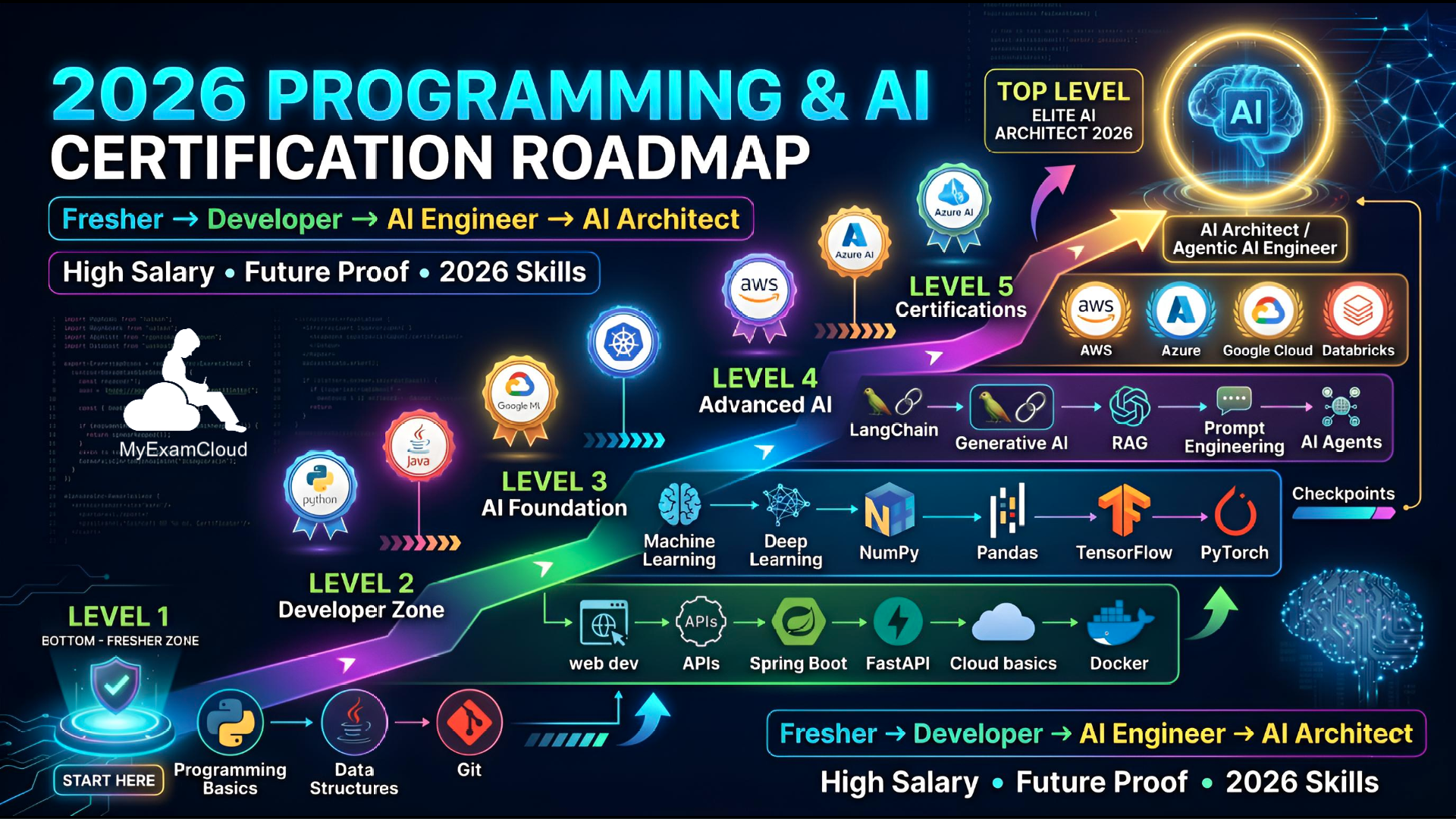
Collaborate with IT professionals to examine different AI platforms, tools, and options that align with your objectives. Consider aspects such as scalability, ease of integration, supplier credibility, and ongoing assistance. Discuss with market experts or consultants to help in technology evaluation and choice. Prior to executing AI on a large scale, it is a good idea to pilot and test the technology in a regulated environment.
Executing AI in customer service includes significant modifications for both consumers and staff members. Develop a comprehensive change management plan that deals with communication, training, and support needs.
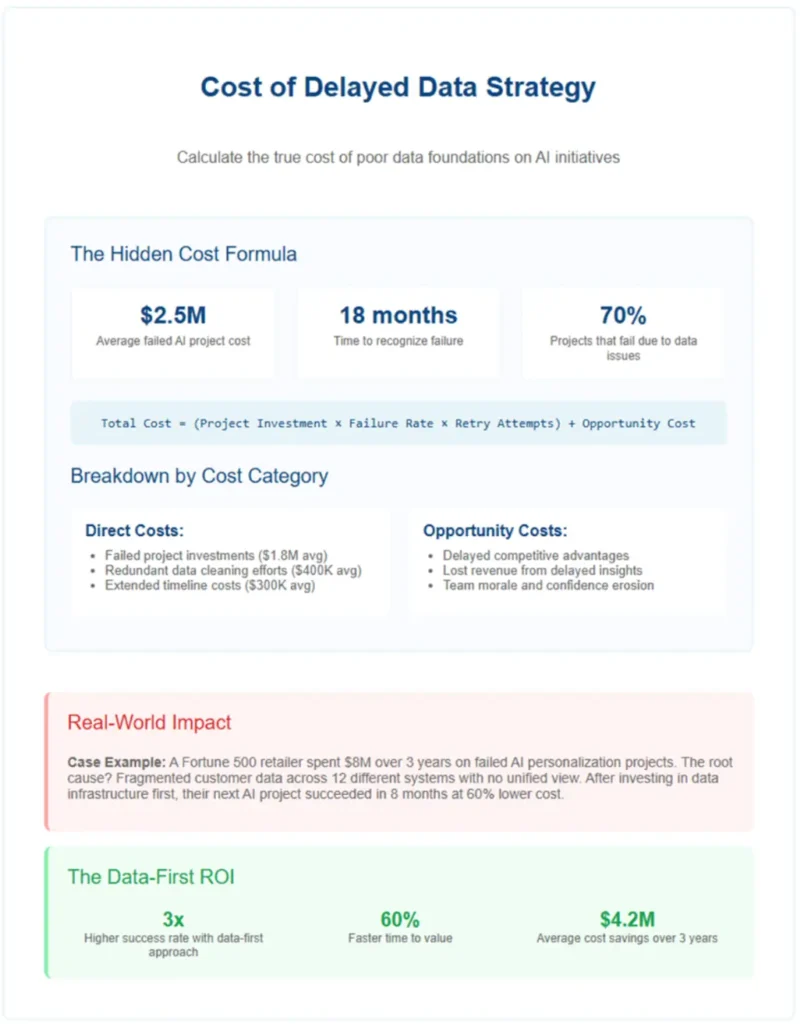
Interact the objectives, advantages, and expected impact of AI adoption plainly to all stakeholders. Once you have completed the required preparations, it's time to carry out AI into your customer support infrastructure. Work together carefully with your IT department or AI supplier to effortlessly integrate the innovation into your existing systems. Make sure proper information connection, system compatibility, and security steps are in location.
How to Accelerate Growth With Integrated Cloud Solutions
Throughout the AI adoption process, carefully monitor and evaluate key performance indications (KPIs) associated to client service. Track metrics such as reaction time, very first contact resolution rate, customer satisfaction ratings, and agent performance. By comparing pre and post-implementation information, you can assess the effect of AI on these metrics and determine locations for improvement.

Latest Posts
How AI and Cloud Integration Remains Crucial
Unlocking the Long-Term Outlook of Corporate Technology
Key Frameworks for Modernizing the Digital Enterprise